Navelina
Citrus × sinensis · grupo Navel
- Reference colour
- Deep orange
- Working profile
- Early, sweet, easy to peel and versatile.
Produce notebook · 02
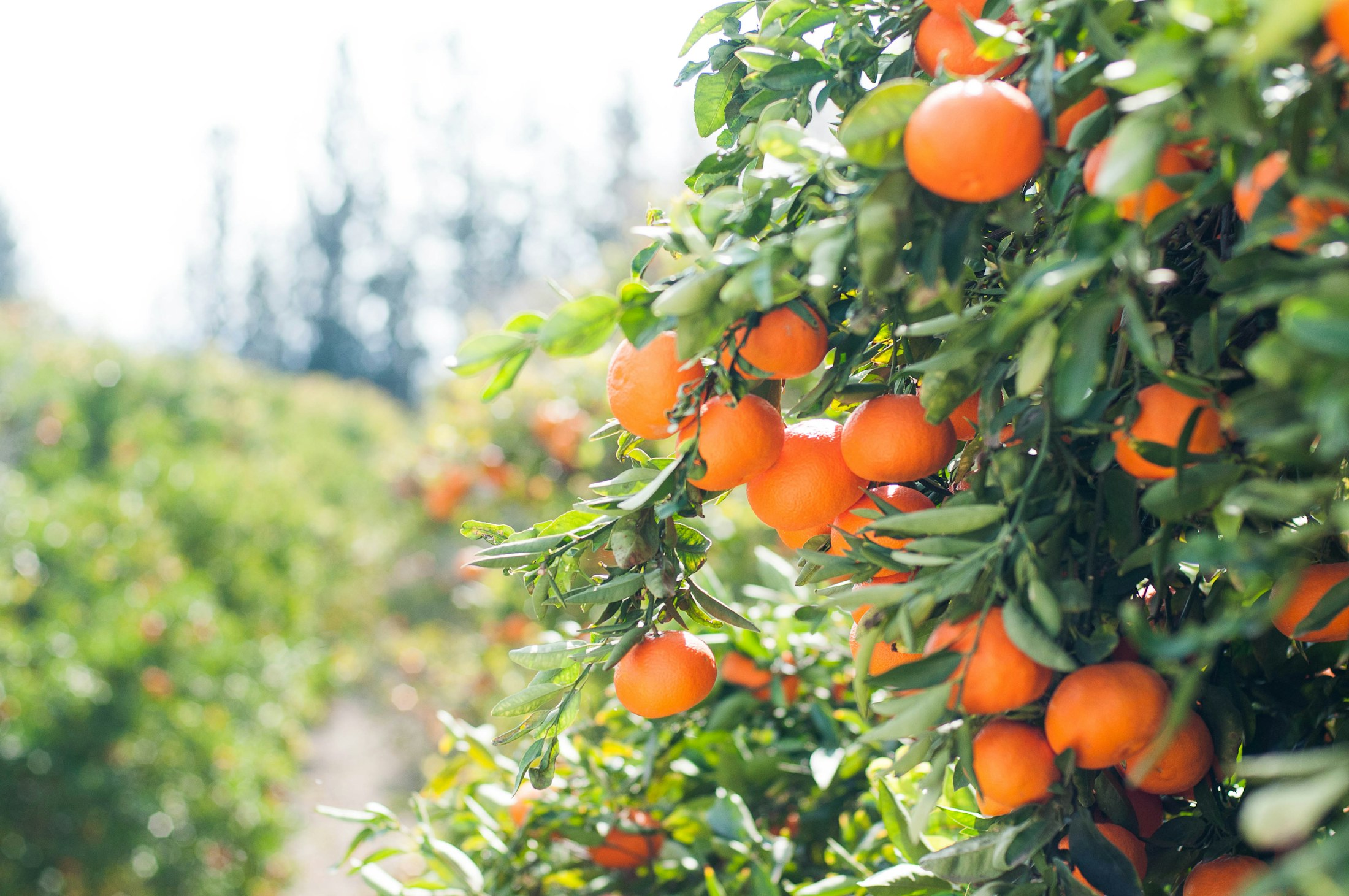
Finca Les Arcades Navelina is an early Valencian orange: sweet, easy to peel and harvested in Ribera Alta during its natural season.
Informed buying
The retail price is indicative. We confirm availability and the final price before preparing the order.
Buy or reserve
Checking today’s availability…
We will take you to the relevant form on the main page with the fruit and format already selected.
Botanical identity
Sweet orange belongs to Citrus × sinensis, a group of early, mid-season and late cultivars with pale or blood-coloured flesh. Variety shapes peel, seeds, sugar-acid balance and suitability for eating or juicing.
Navelina is the confirmed variety at Finca Les Arcades. This Navel-group orange opens the season, peels easily and works both as table fruit and in the kitchen.
Farm variety
This product page focuses exclusively on the Navelina variety.
Cultivar selection confirmed and authorised by the grower.
Citrus × sinensis · grupo Navel
The variety will be shipped according to harvest availability.
Nutrition without shortcuts
A whole orange provides water, fibre and vitamin C. European rules authorise specific vitamin C claims when a food meets the required conditions.
Contributes to normal immune-system function and protection of cells from oxidative stress as part of a balanced diet.
Segments retain the fruit matrix and require chewing.
It can belong in a recipe, but AESAN notes that juice does not replace whole fruit.
Its aroma can intensify a dish without extra sugar; use only thoroughly washed fruit.
These are authorised normal functions, not claims to prevent or treat disease. Actual content varies with cultivar, ripeness and storage.
A chef’s reading
Segments give volume; juice brings acidity and sweetness; pith contributes bitterness; peel holds aromatic oils. Separating those functions enables precise cooking.
Farm recipes
Choose firm fruit for segments and fully ripe fruit for sauces. Always wash the peel before zesting.
A warm salad rooted in the Mediterranean.
Chef’s noteCaramelise the surface without cooking the centre.
View full recipeA clean plate where citrus replaces a heavy sauce.
Chef’s noteAim for distinct acidity: the broth must not taste sweet.
View full recipeBitterness, citrus and plant fat in balance.
Chef’s noteZest only the orange layer; white pith would bring coarse bitterness.
View full recipeCulinary and educational content; it is not individual nutritional or medical advice.